

Films are more expensive than they look
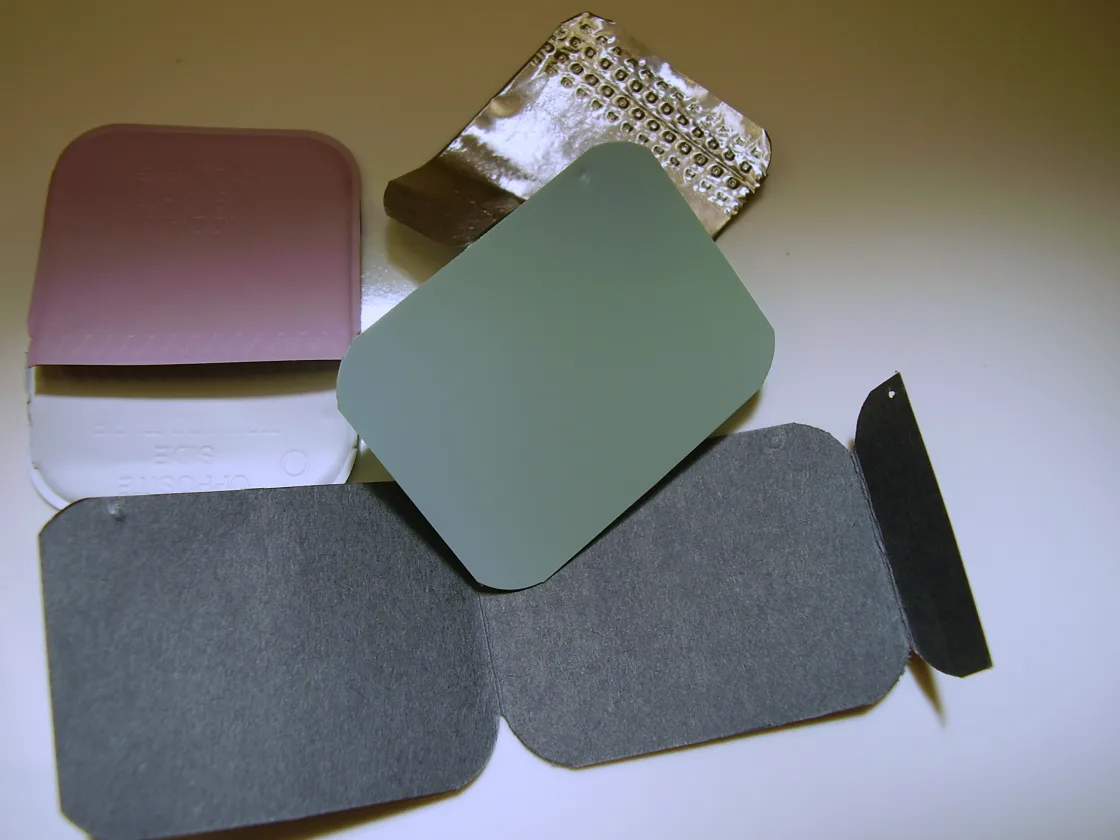
The true cost of a film-based practice is extremely high — and climbs even higher on complicated cases, once you add up everything that goes with it.
- 6Cost lines behind every film
- ×12A monthly cost is a yearly one
- ₹0Consumable cost after switching
- Day 1When the payback starts
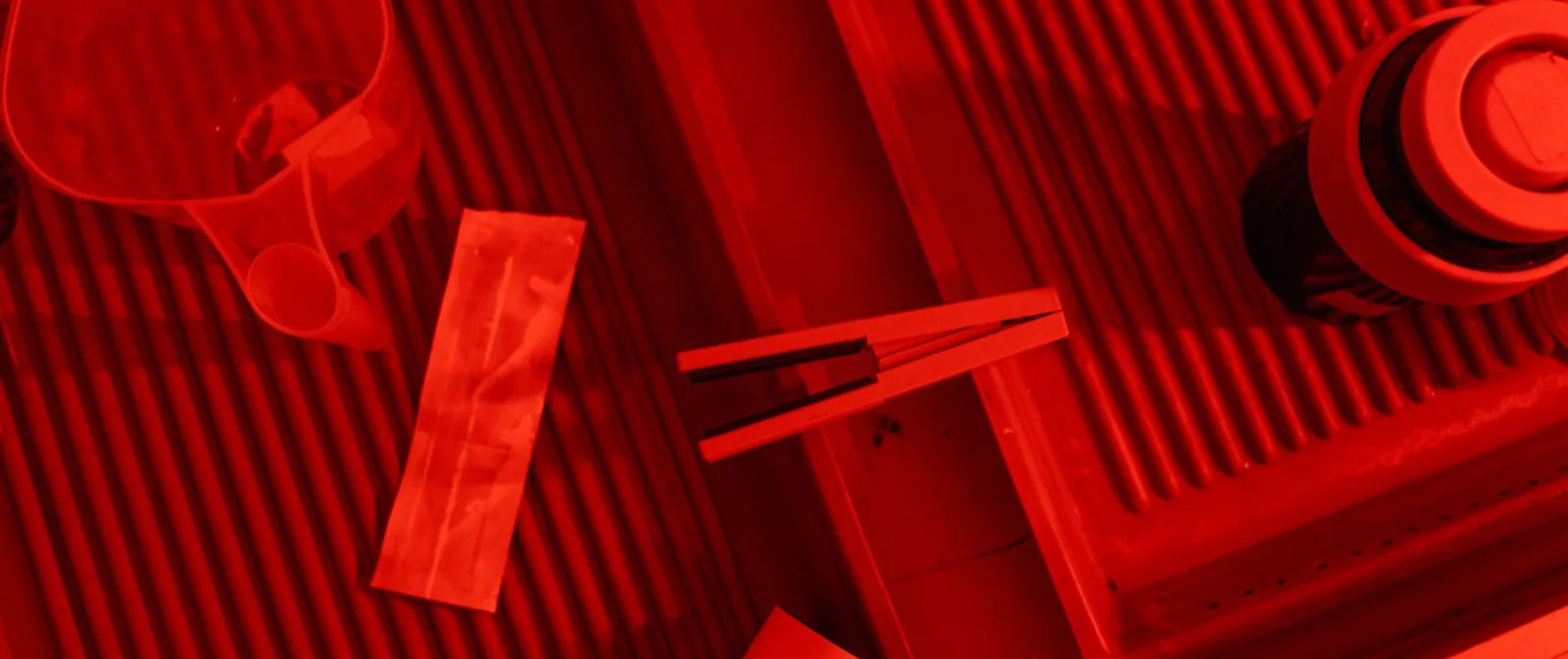
Six lines, one bill
Each line adds to the one above it. The bar shows the bill so far — not the size of any single cost.
- Cost of film Recurring purchase for every exposure.
- Cost of time Processing and handling time lost.
- Cost of labour Staff hours spent on the film workflow.
- Cost of mounts Ongoing spend on film mounts.
- Cost of chemicals Developer and fixer for processing.
- Cost of disposal Fees to safely dispose of chemicals.
Return on investment from day one
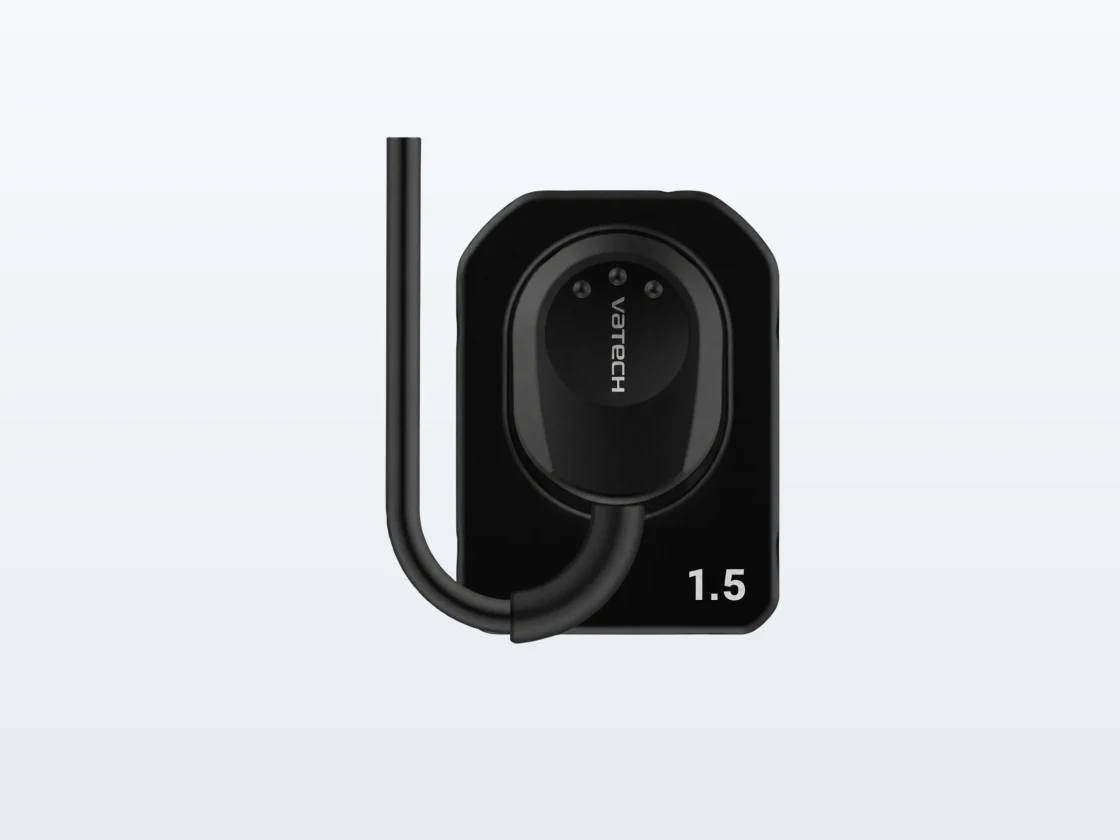
With digital imaging you start recouping your investment as soon as you begin practising, because you no longer pay for film consumables. Those recurring savings quickly cover the cost of going digital.
The arithmetic is unusually simple for a capital purchase. A film workflow is a cost that never stops; a digital system is a cost that stops once. From the first exposure, every radiograph you take is one you did not pay a consumable for — and that difference compounds quietly in the background, month after month, with nothing further required of you.
Efficiency that grows your business
Digital efficiency frees your workflow for more productive, business-growing tasks compared with using film — an important saving, given that staff wages are among the biggest expenses for most dental practices.
Staff hours back
Time spent developing, mounting and filing returns to patient care.
No reorder cycle
No stock to count, order, chase or run out of mid-list.
No darkroom estate
A room that earns nothing goes back to being usable space.
No disposal compliance
No chemical waste contract, paperwork or collection to manage.
No retake waste
A retake costs seconds, not another film and another develop cycle.
Faster case turnaround
Images move to specialists and labs the moment they are taken.
And the film you have already taken
The six recurring costs are only the ones still ahead of you. Behind you sits every film the practice has ever taken, and that archive has running costs of its own.
It occupies space that could be doing something else. Finding a specific radiograph from three years ago means someone walks to a cabinet and searches by hand, while a patient waits. Film degrades — it fades, it scratches, it is lost — and retention obligations mean you are required to keep it anyway. Nothing about a paper archive gets cheaper or easier with time.
A digital archive is searchable in a keystroke, duplicated safely as part of your normal backup, and shareable with a specialist or an insurer without anyone leaving the chair. That is not a saving you will see on an invoice, but it is one your staff will feel every week.
The price on the box was never the cost. The cost is the film, the time, the labour, the mounts, the chemicals and the disposal — arriving together, every month, disguised as six separate small things.
Film is not a purchase. It is a subscription.Digital replaces all six lines with an investment that stops costing you the day it is paid for.
Calculate your film spend
See how much film is really costing you — with your numbers, not ours.